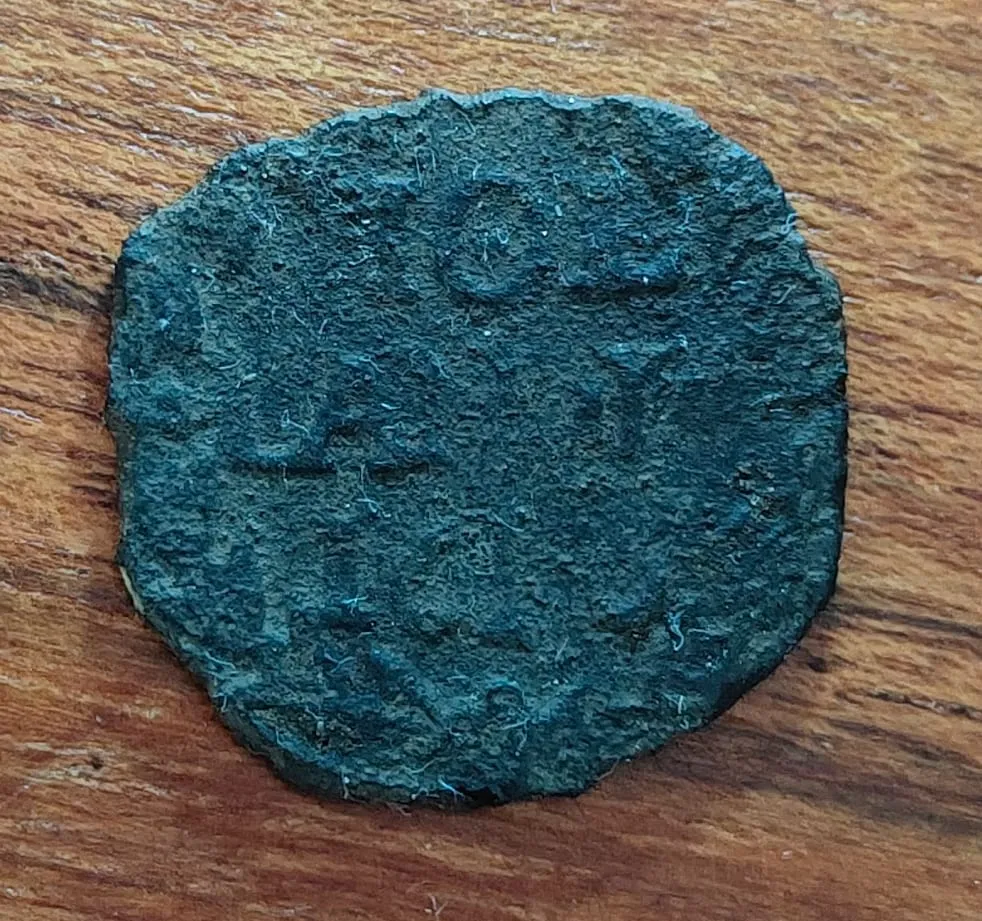
Finds
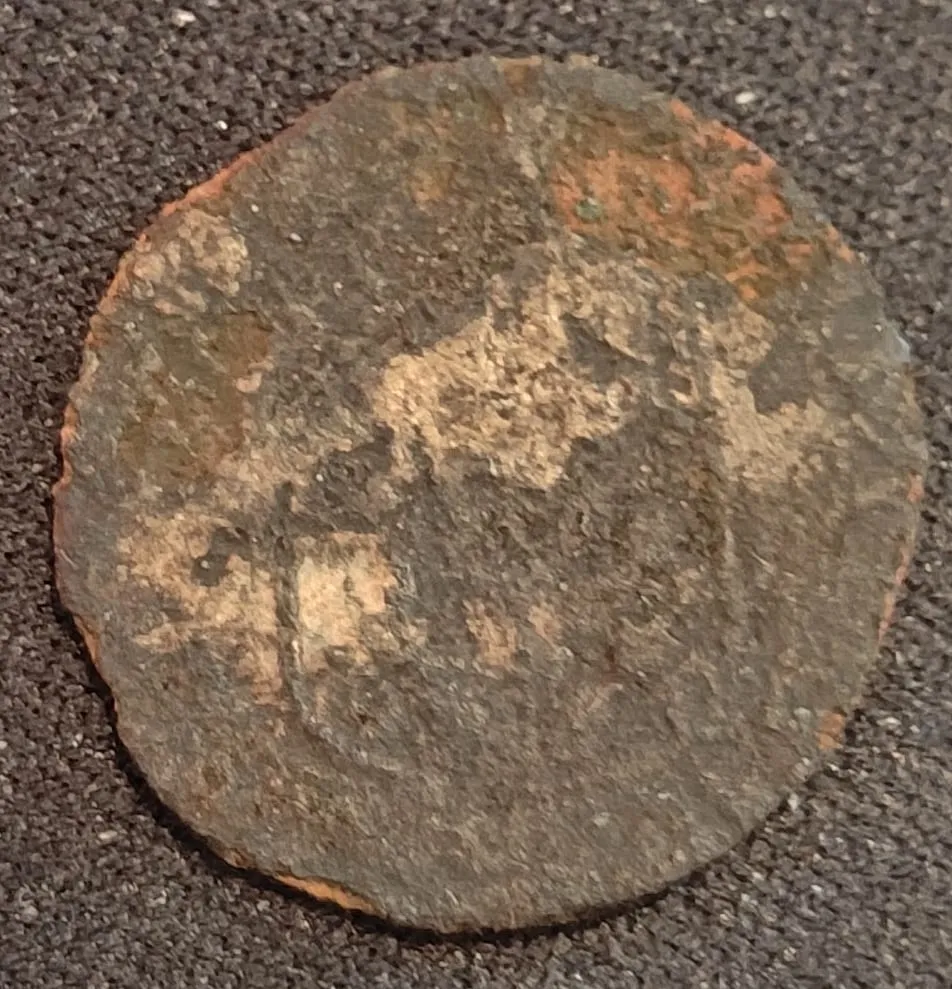
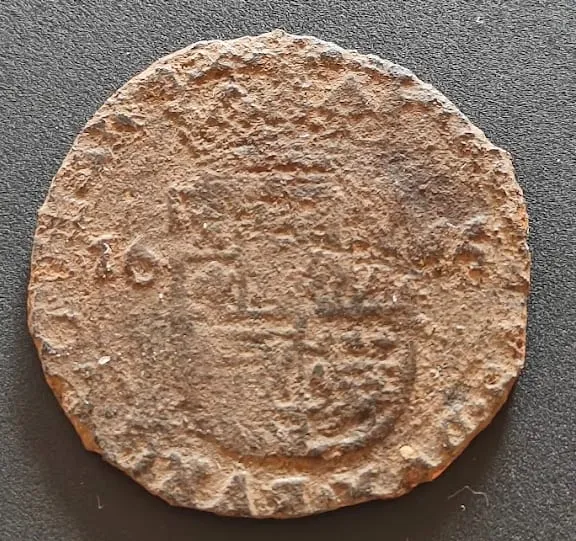
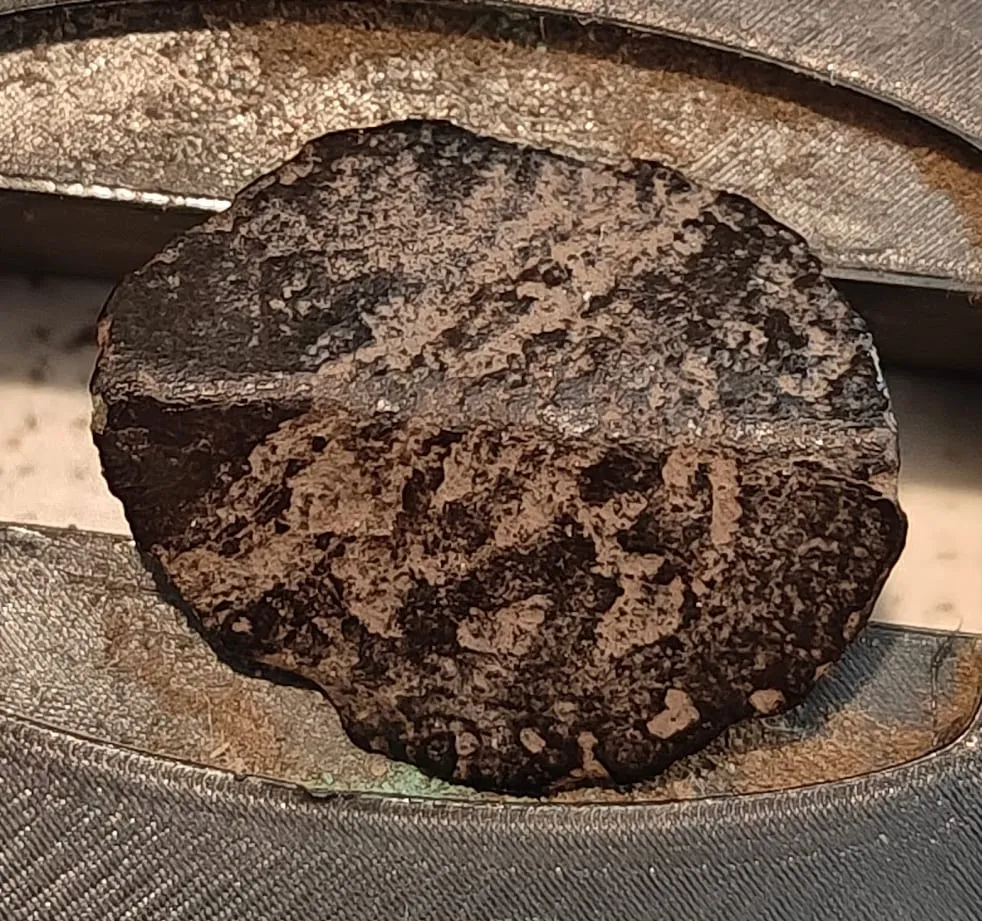
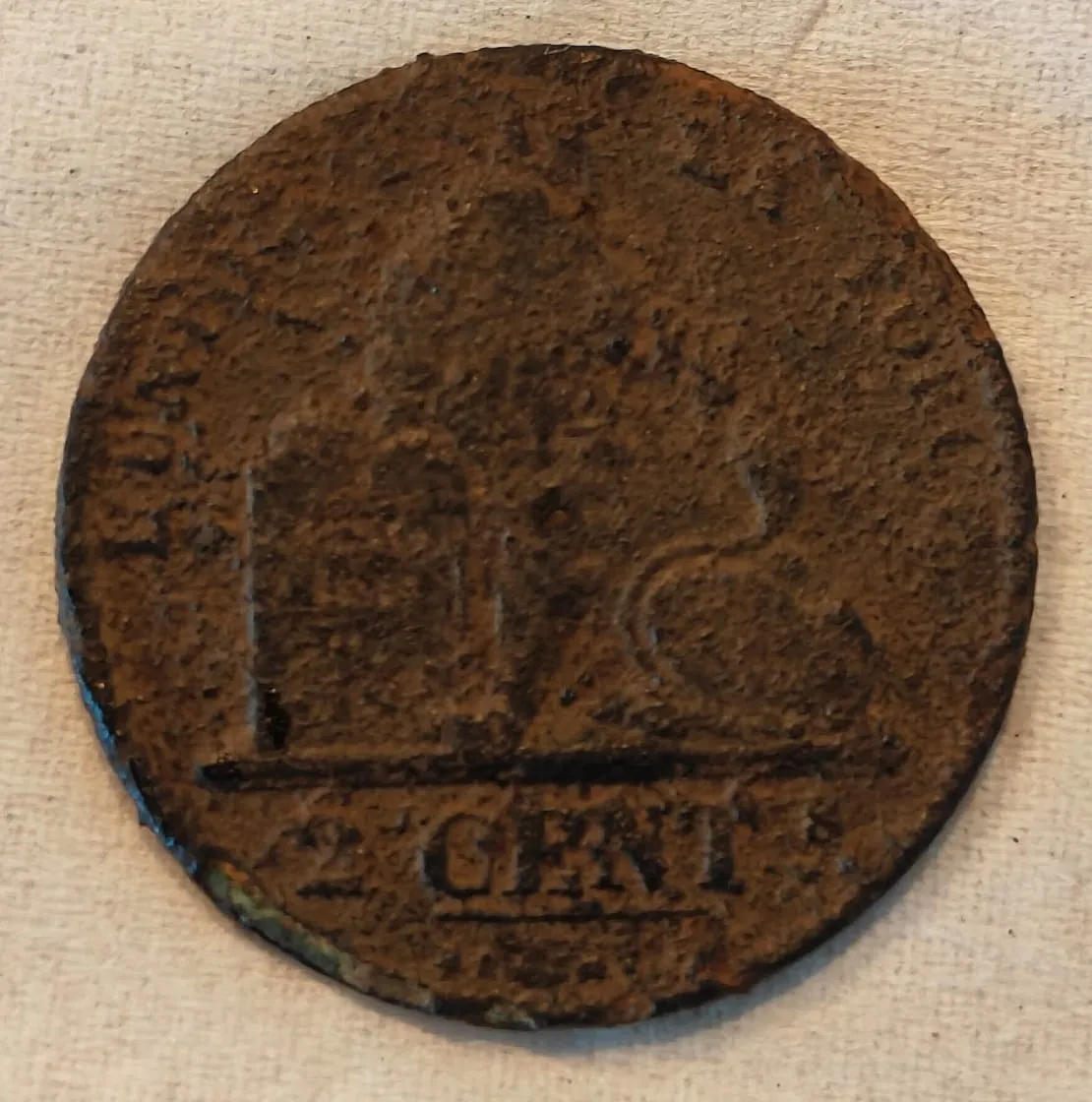
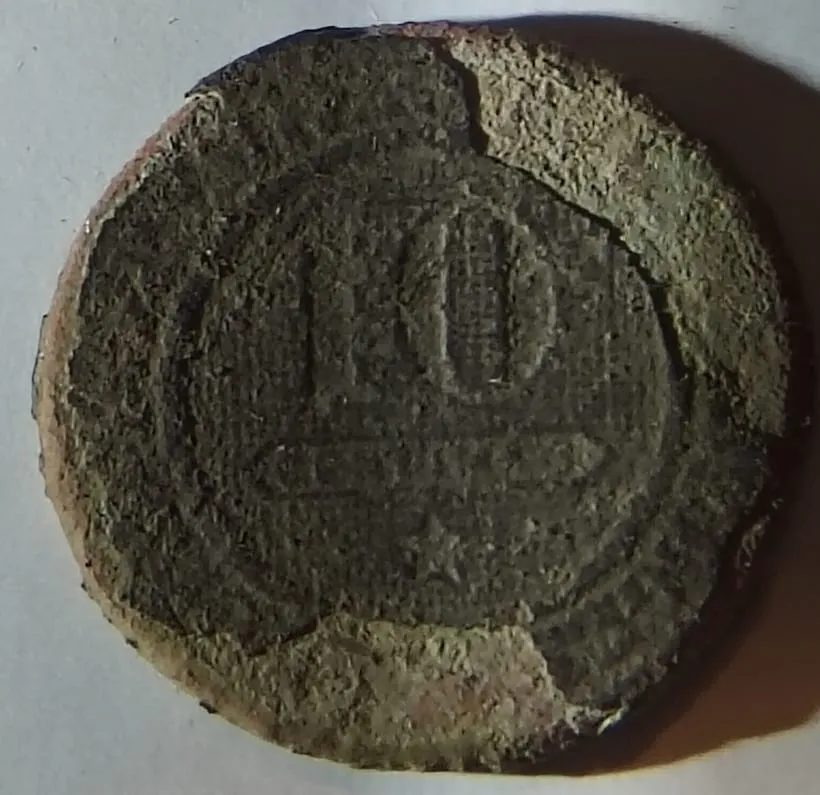
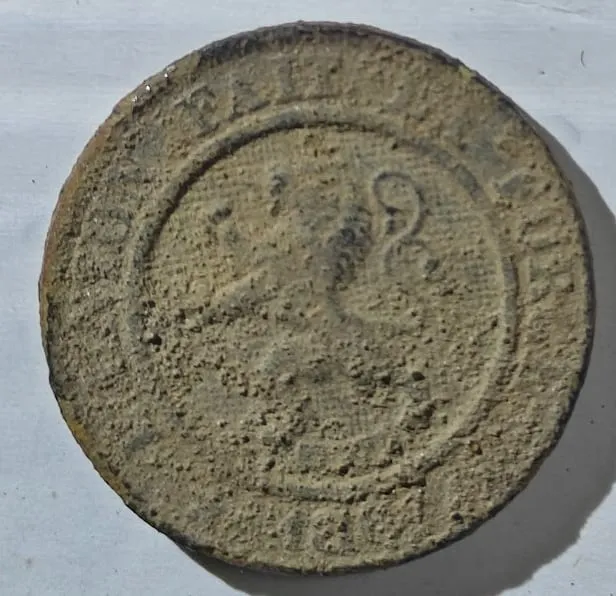
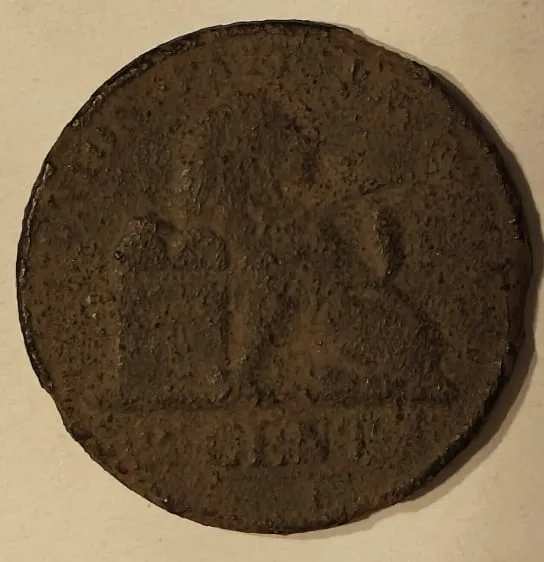
A selection of finds, documented and recorded by the rules.
What could it buy?
In the 17th century a master mason in Antwerp earned about 1.2 gulden on a summer day: some 100 liards.
For this period in general, not for this coin in particular.
What could it buy?
In Antwerp in 1780 a labourer usually earned 8 to 10 stuivers a day, or 32 to 40 liards. A publication from that year said a family needed 12 stuivers a day.
For this period in general, not for this coin in particular.
What could it buy?
In Ghent a textile worker earned about 1.50 to 2 francs a day in 1811-1812, or 150 to 200 centimes.
For this period in general, not for this coin in particular.
What could it buy?
In the 1840s a man in Belgian industry earned on average about 1.56 francs a day, or 156 centimes.
For this period in general, not for this coin in particular.
What could it buy?
In 1896 an adult worker in Belgium usually earned 2 to 4.50 francs a day.
For this period in general, not for this coin in particular.
What could it buy?
In Brussels an unskilled building worker earned about 1 franc an hour in 1919. Prices rose quickly in those years.
For this period in general, not for this coin in particular.
What could it buy?
In early 1946 an industrial worker earned on average 14.40 francs an hour. A 1-franc piece was therefore a little over four minutes of work.
For this period in general, not for this coin in particular.



No finds match these filters.